
Last updated October 17, 2026
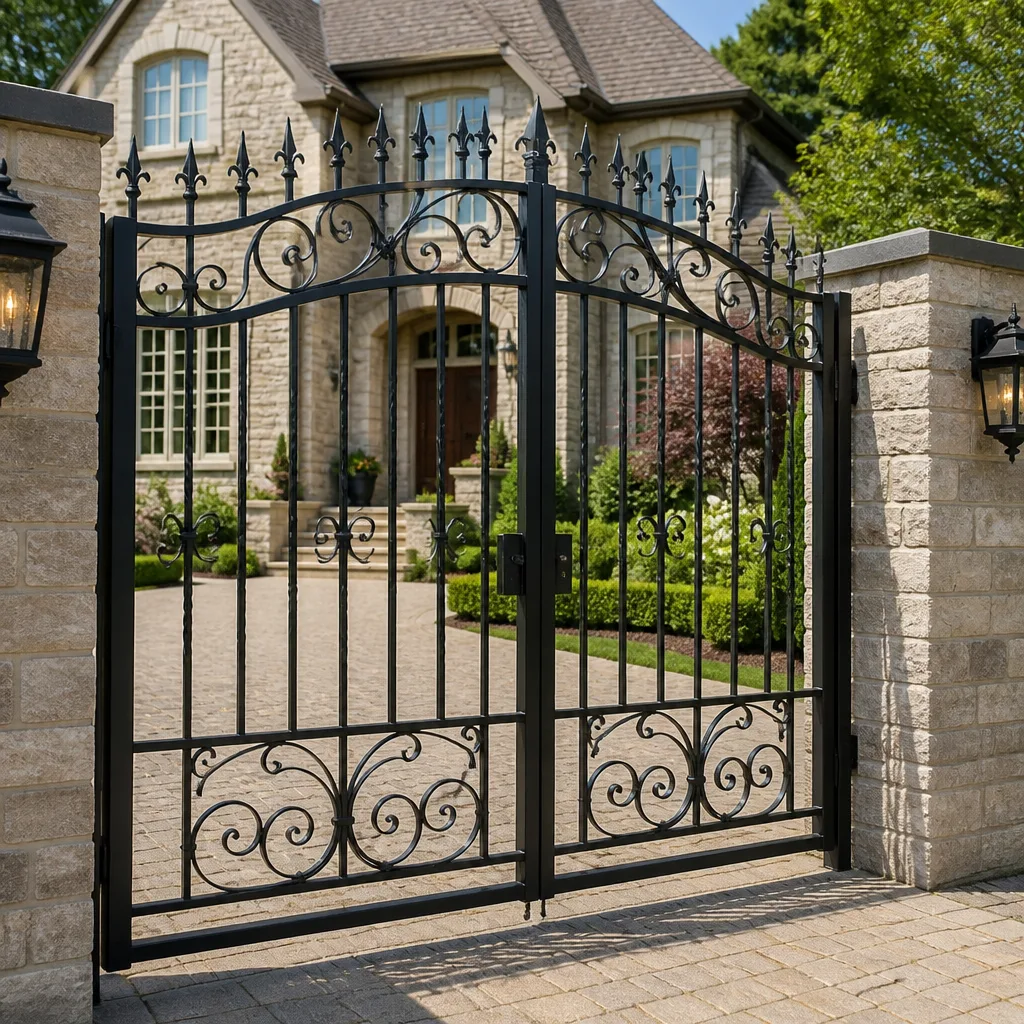 Wrought iron
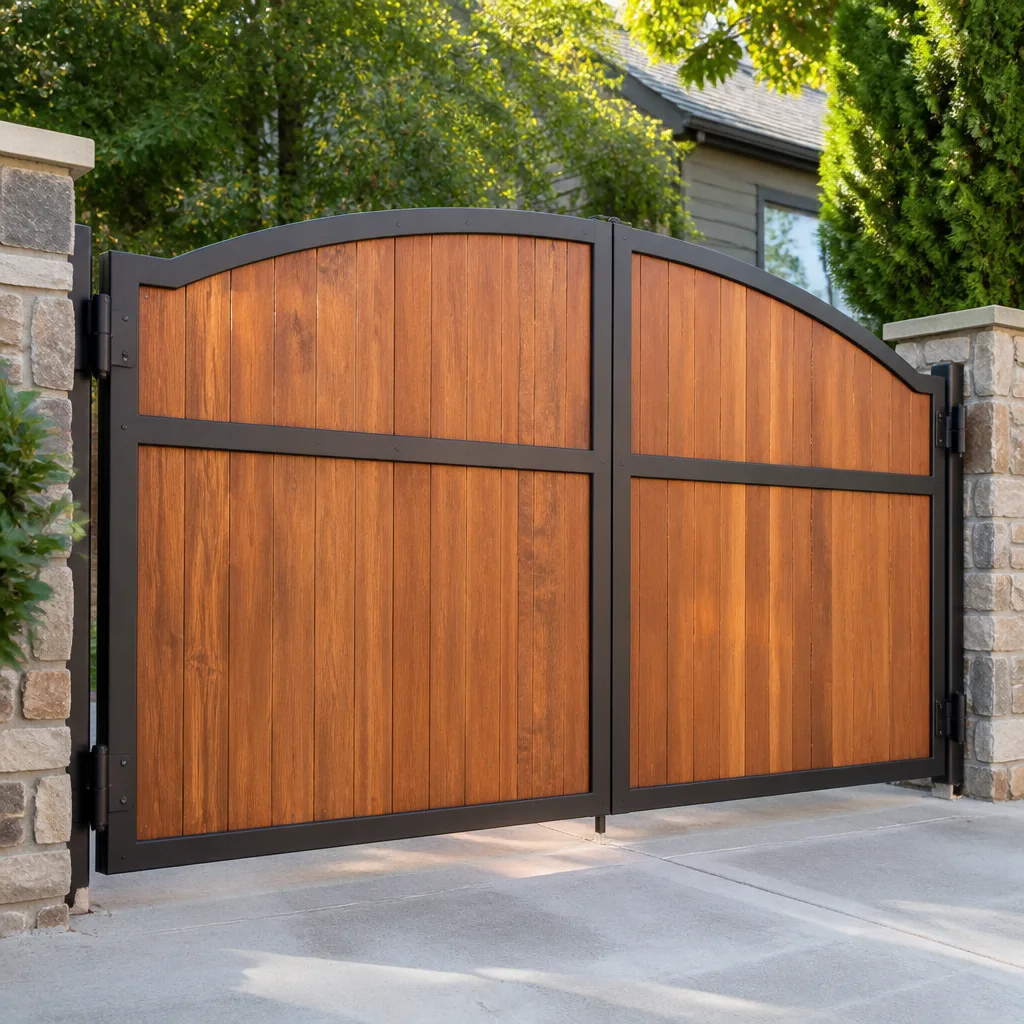 Wood & steel frame
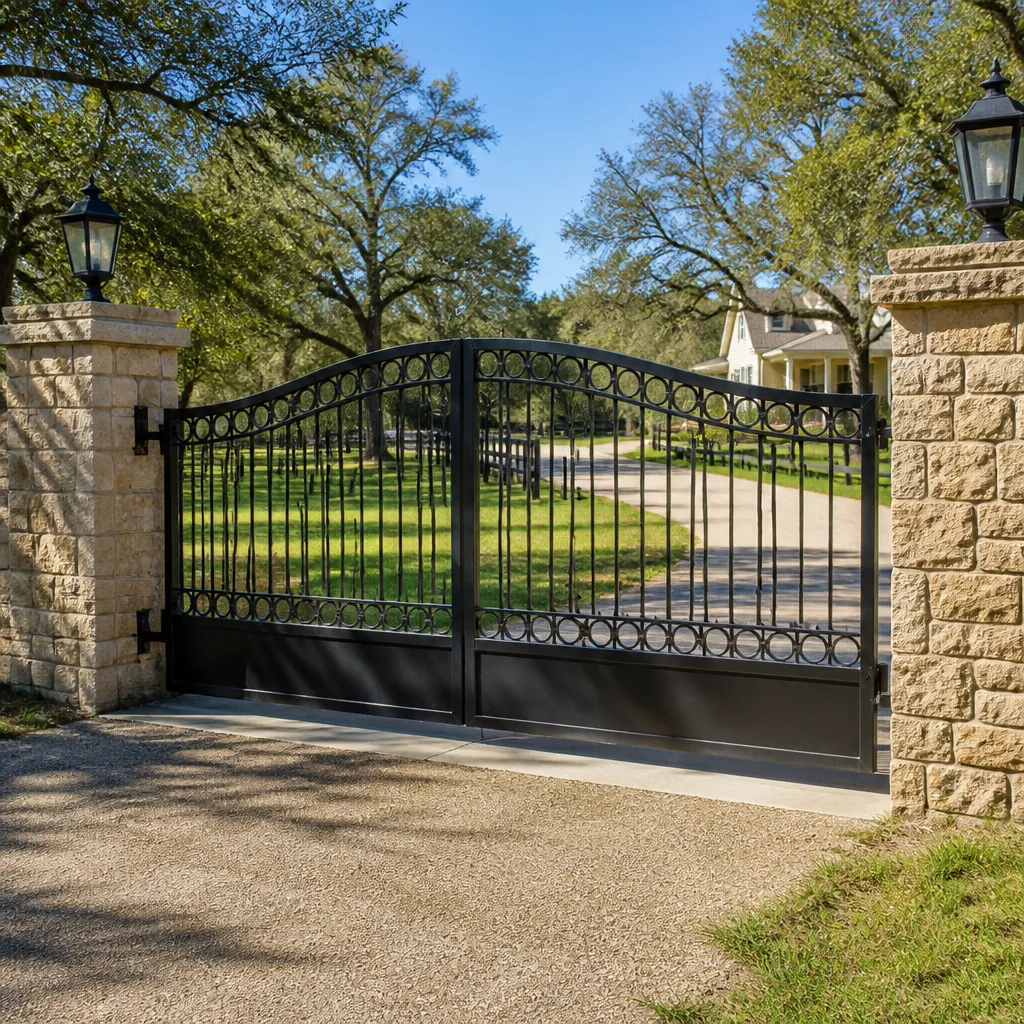 Farm & ranch
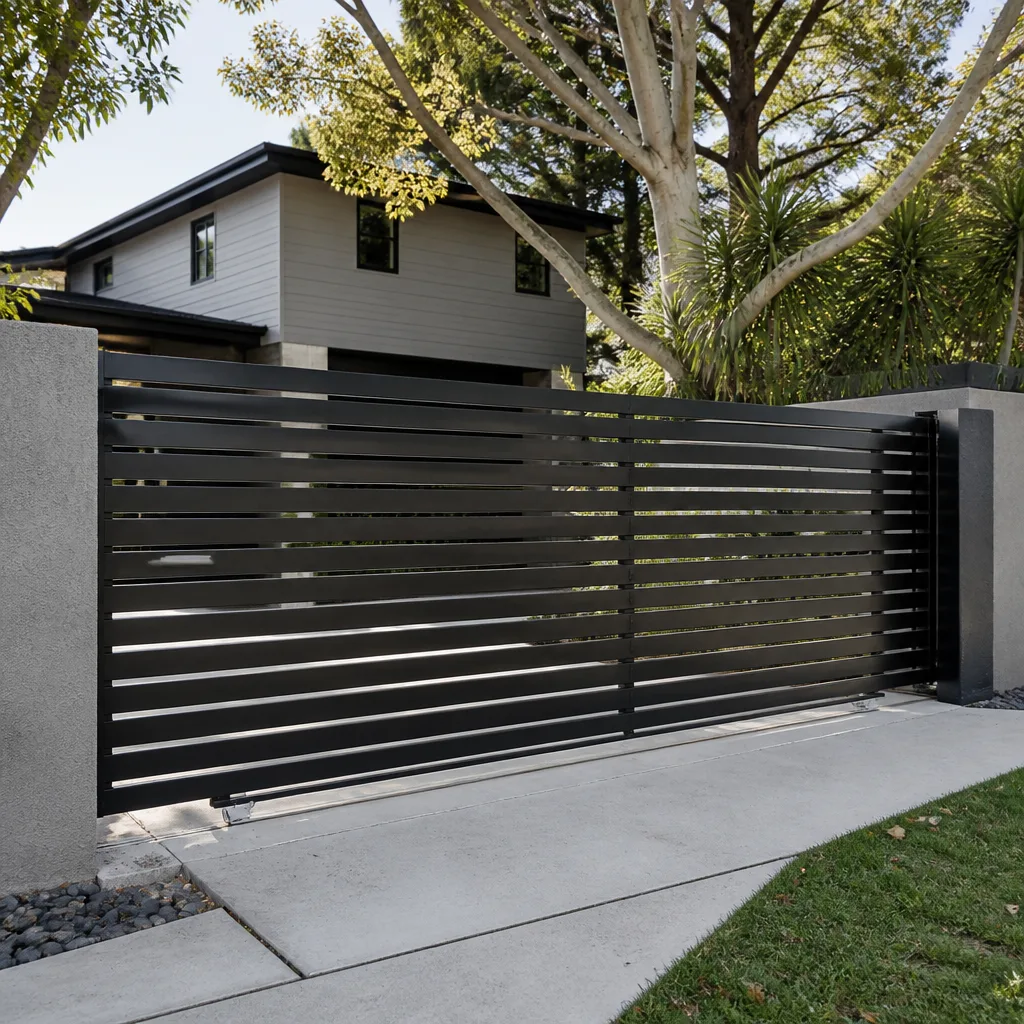 Sliding driveway gates
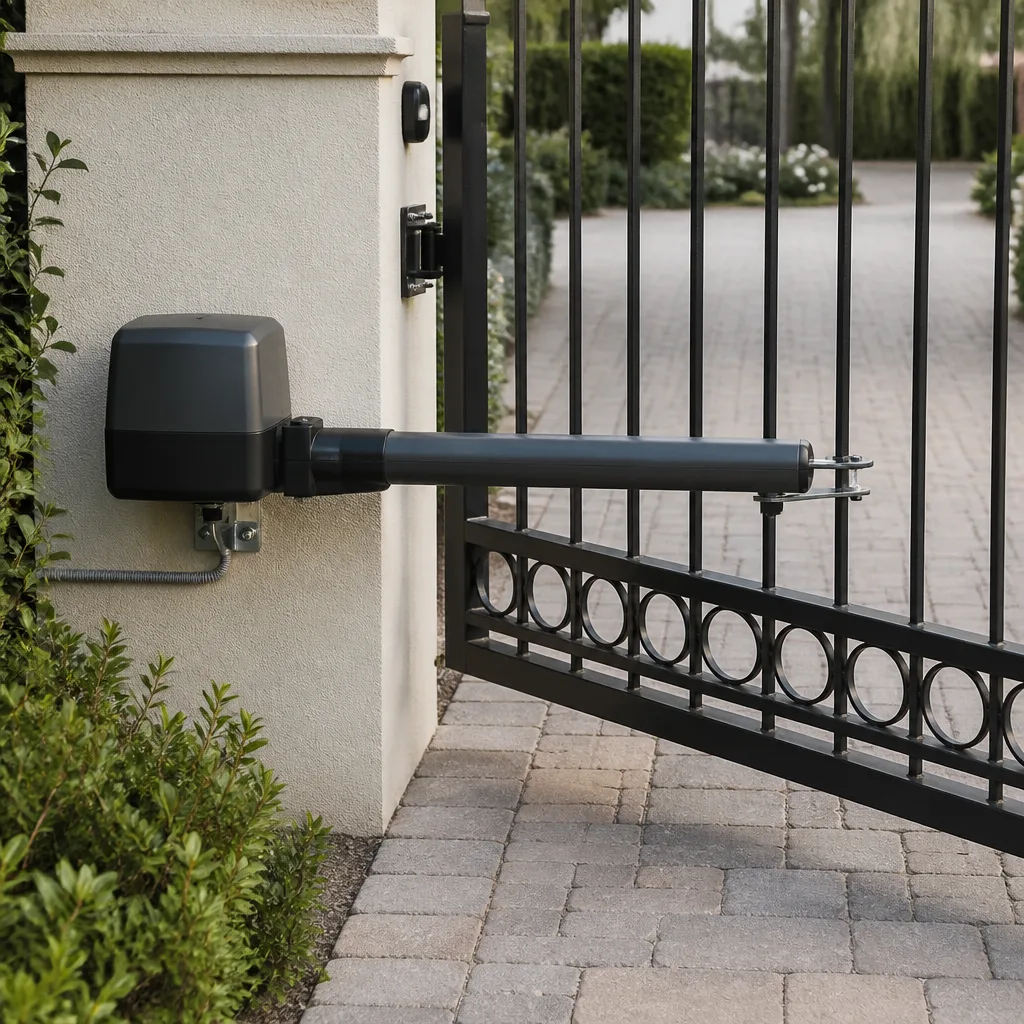 LiftMaster operators
Free on-site gate assessment - hinges, posts, and your LiftMaster or Nice gate operator checked before anything is quoted
The assessment is free and the quote is the invoice.
Get your free estimateGate Repair Maintenance Checklist for Jacksonville Homeowners
A gate hinge that would last twelve years in Phoenix will often show rust bleed in under three years in Jacksonville. The difference isn’t the hinge. It’s the air. Our city sits inside a subtropical band where summer humidity holds near 90%, afternoon thunderstorms arrive on schedule, and the St. Johns River corridor pushes salt-laced wind toward Riverside, San Marco, and Ortega more than most homeowners realize. A maintenance checklist built for anywhere else quietly fails here.
This guide is built around Jacksonville’s actual climate calendar, not a national template. You’ll learn which tasks hold up in our humidity, which lubricants survive a July afternoon on a black iron gate, and which inspections matter most after the wet season softens the soil under your gate post. All of it written so a homeowner with twenty minutes and a can of the right spray can do most of it safely.
Quick Answer
Jacksonville homeowners should inspect gate hinges, latches, and post footings every 90 days, lubricate moving parts with silicone spray or white lithium grease twice a year, tighten all hardware before hurricane season, and check post alignment after the summer wet season. Skip WD-40 entirely on gate hardware, and never adjust the tension springs on an automated gate yourself.
Styles & brands we work with
Table of Contents
- Why Jacksonville’s Climate is Harder on Gates Than You Think
- The 20-Minute Monthly Check
- Lubrication: What to Use, What to Avoid, and When
- Jacksonville’s Seasonal Maintenance Calendar
- Post Footings and Soil Heave: The Check Most People Skip
- What a Worn Gate Does to Your Driveway, Fence, and Automatic Opener
- Safety Items to Leave to a Professional
- Common Mistakes to Avoid
- When to Call a Professional
- Frequently Asked Questions
Why Jacksonville’s Climate is Harder on Gates Than You Think
We’ve worked on gates in Jacksonville since 2009, and the pattern is consistent. The same gate model installed in a dry climate shows different wear in Mandarin than it does in Avondale. Humidity is the main driver. When moisture sits on steel or iron hardware for months at a time, rust moves faster than manufacturers’ average lifespans predict.
Three local factors combine in ways most maintenance guides don’t address:
- Summer humidity near 90%. Moisture doesn’t dry. It lingers on hinges, latches, and weld points. Bare steel begins oxidizing within days, not weeks.
- The St. Johns River corridor. Homes within a few miles of the river, especially in Riverside, Ortega, and San Marco, get intermittent salt wind. Salt accelerates corrosion on zinc-plated hardware that would do fine inland.
- Subtropical UV. Florida sun degrades powder coating and paint faster than northern sun. Once the coating cracks, water reaches the metal underneath and the cycle speeds up.
This is why national maintenance schedules fall short. A chart that says “inspect annually” assumes the gate lives in a mild, dry environment. Jacksonville gates need attention on a different rhythm. The good news: most of that attention is cheap, quick, and doesn’t require a service call.
If your gate is already showing rust, wobble, or drag, our gate repair in Jacksonville team can assess it before it takes out the fence post with it.
The 20-Minute Monthly Check
This is the foundational habit. Once a month, walk the gate and look at it the way a technician would. The whole check takes about twenty minutes and catches most problems before they become repairs.
Here is the monthly sequence we recommend for Jacksonville homeowners:
- Open and close the gate fully twice. Listen. A creak is fine and fixable. A grinding sound means metal-on-metal wear. A rattle that wasn’t there last month means something is loosening.
- Look at the hinges from the side. You’re checking for rust bleed, a dark orange stain running down from the hinge pin. Rust bleed is the earliest visible sign that the hinge is deteriorating.
- Test the latch by hand. Does it engage on the first close, or do you have to push the gate an extra inch? A latch that requires a shove is telling you the gate has shifted.
- Run your hand along the bottom rail. If the gate is scraping the driveway or catching on the grass, note where. That drag will wear the driveway surface over time.
- Check the post caps. Missing or cracked post caps let water into the post interior. From the inside, a steel post rusts outward. You won’t see it until the post weakens at the base.
- Glance at the fence panels on either side of the gate. A sagging gate pulls on the fence it’s attached to. If the pickets are separating from the rail near the gate, the gate is stressing the structure.
This is the same opening sequence our technicians use when they start a gate repair assessment in Jacksonville. It catches about two thirds of issues before they require parts.
Lubrication: What to Use, What to Avoid, and When
Most gate lubrication problems in Jacksonville come from using the wrong product, not from skipping lubrication entirely. The humidity changes what works.
Do not use WD-40 on gate hinges. WD-40 is a water displacer, not a lubricant. It penetrates, loosens, and then evaporates. In our climate, that means it strips whatever protective film was there and leaves bare metal exposed to 90% humidity. Rust follows quickly.
What actually holds up in subtropical heat:
- White lithium grease for hinges and latch mechanisms. It stays in place in high heat, resists water washout, and lasts through a Florida rain season. Apply a thin coat, work the gate back and forth a few times, wipe the excess.
- Silicone spray lubricant for keypads, keyholes, and any plastic or rubber components like roller wheels and weather seals. Silicone doesn’t attract dust the way grease does and won’t degrade plastic.
- Marine-grade grease for homes within a mile or two of the St. Johns River where salt wind is a factor. It costs a few dollars more and buys noticeably longer hinge life near the water.
Frequency: lubricate hinges and latches twice a year, once in May before the summer rains and once in November as the dry season starts. If you live near the river or the Intracoastal, make it three times a year.
One more note: if the gate has an automatic opener, the opener’s internal gears have their own lubrication requirements. Most modern units from brands like Ghost Controls and Viking use sealed gear boxes and don’t need homeowner lubrication. Adding grease where none is needed can attract grit and shorten the gear life.
Jacksonville’s Seasonal Maintenance Calendar
Jacksonville doesn’t have four seasons in the traditional sense. We have a wet season and a dry season, with a hurricane window between. The maintenance calendar below is built around those realities, not the spring-summer-fall-winter structure national guides use.
April to May: Pre-Hurricane-Season Tightening
Before the Atlantic season begins, every fastener on the gate should be checked and snugged. Heat expansion and daily use loosen bolts over the winter dry season. A gate that goes into June with loose carriage bolts will rattle worse by August.
Walk the gate with a socket set and check:
- Hinge bolts into the post and the gate frame
- Latch plate screws into the post
- All bolts on the opener arm if the gate is automated
- Weld points for hairline cracks that might have widened over the winter
Tighten anything that turns with moderate finger pressure. If a bolt spins without tightening, the hole has stripped and the fastener will need a larger size or an insert. That’s the kind of thing to flag for a professional rather than overtightening and cracking the surrounding metal.
June to September: Corrosion Watch During the Wet Season
Summer in Jacksonville is when rust accelerates. The air stays wet for weeks. Afternoon storms roll through, soak everything, and then the sun comes back to bake the moisture in. Check hinges, welds, and the base of the posts monthly during this window. Look for rust bleed, bubbling paint, or any soft spot where the metal gives when you press it.
If you find rust on hardware, address it early. Light surface rust can be cleaned with a wire brush and protected with a rust-inhibiting primer and paint. Rust that has pitted the metal, especially on a hinge or post base, usually means the part needs replacement rather than another coat of paint.
October to November: Post-Summer Soil and Alignment Check
This is the step most homeowners miss. After four months of daily rain, the soil around gate posts has expanded and settled repeatedly. In Jacksonville’s sandy loam, that cycle can shift a post enough to throw the gate out of alignment by half an inch or more. The gate still opens, but it drags, the latch binds, and the opener motor works harder every cycle.
Check the gap between the gate leaf and the post. A consistent gap top to bottom means the post hasn’t moved. A gap that narrows at the top and widens at the bottom means the post has tilted. A gate that suddenly won’t latch cleanly in October was probably fine in May, and the change happened under the ground, not at the hinge.
December to March: Dry-Season Latch and Finish Care
Jacksonville’s dry season is the best window for protective work. Coat the gate with an automotive wax or a metal protectant designed for outdoor use. Touch up any chips in the powder coating or paint with a matching touch-up paint. Lubricate the latch with lithium grease one more time before the spring humidity returns.
Post Footings and Soil Heave: The Check Most People Skip
Gate posts carry the entire weight of the gate leaf, and in Jacksonville they sit in soil that moves. Our subsoil is mostly sand with varying clay content, and it holds water differently from neighborhood to neighborhood. A post in Arlington sits in different ground than a post in Julington Creek, even if the gates look identical.
After the wet season, the soil has gone through repeated expansion and contraction. This cycle is called soil heave, and it’s the leading cause of gate misalignment in Jacksonville. Not hinge wear. Not latch failure. The post moves, and everything attached to it moves with it.
Here is how to check your post footings without digging:
- Stand at the end of the gate and sight along the top rail. It should be a straight line. If it bows or sags, the post has shifted.
- Measure the gap between the gate and the post at three points: top, middle, bottom. All three should be within a quarter inch of each other.
- Look at the concrete or soil around the post base. A post that’s moving will often crack the concrete collar around it. If you have grass, look for a visible gap opening between the soil and the post.
- Open the gate halfway and let go. A gate with a stable post will stay where you left it. A gate that swings on its own, either open or closed, has a post out of plumb.
If the post has shifted, the fix depends on how much. Minor movement can sometimes be corrected by releveling the hinges. Significant movement means the post needs to be dug out, reset in new concrete, and allowed to cure before the gate goes back on. That’s a professional job, and it’s part of what we handle in our gate installation work when a Jacksonville homeowner’s existing post has failed.
What a Worn Gate Does to Your Driveway, Fence, and Automatic Opener
A gate never fails in isolation. Every skipped maintenance task eventually sends a bill somewhere else on the property.
Dragging gates scratch driveways. When a gate hinge wears and the leaf drops half an inch, the bottom corner begins scraping across the concrete with every open and close cycle. Over a year, that’s thousands of passes. The result is a scored arc in the driveway that’s visible every time you pull in. Concrete repair costs more than hinge replacement.
A sagging gate stresses fence panels. Those decorative aluminum drives with the installed gate at the end share load with the fence panels on both sides. When the gate sags, the hinge post pulls toward the gate, and the fence rail transfers that stress to the first few sections. Pickets start separating from rails. Screws back out. What started as a gate hinge issue becomes a fence repair.
Automatic openers wear out faster on misaligned gates. An opener from DoorKing or Elite is engineered to move a balanced gate through a consistent arc. When the gate drags or binds, the motor draws more current on every cycle. That extra draw translates to heat, and heat shortens the life of the circuit board and the gear train. A $40 hinge repair ignored becomes a $600 opener board replacement. We see this progression regularly in Jacksonville, especially on homes where the gate was installed five or more years ago and the maintenance stopped somewhere along the way.
If you have an automated gate that’s been working harder than it used to, our electric gate repair in Jacksonville service can diagnose whether it’s the opener, the gate, or both before the damage compounds.
Safety Items to Leave to a Professional
Most of this guide is designed for homeowners, but there are a few tasks that should never be attempted without the right training and tools. The consequences of getting them wrong are not worth the savings.
Automated gate tension springs. Automated systems from Ghost Controls and Viking use torsion or extension springs to help the opener move the gate. These springs are under constant, significant tension. Removing or adjusting one without the correct winding tools can release that tension suddenly and cause serious injury. This is not a task for a socket set and a YouTube video.
Re-welding hinges or frame components. A cracked weld on a gate that supports children climbing on it, pets running into it, and vehicle traffic around it needs a professional weld from someone who understands load paths. A poor weld can fail without warning.
Replacing a post that carries an automated gate. The post holds the weight of the gate and resists the force of the opener. It needs to be set to the correct depth for our soil, with proper concrete, and given adequate cure time. This is the foundation of gate installation in Jacksonville, and shortcuts here show up within a year.
Electrical work on the opener. Line-voltage wiring, loop detectors, photo eyes, and control boards should be handled by someone who works on those systems regularly. The risk isn’t just the electrical shock; it’s also wiring a safety device incorrectly and leaving the gate able to close on a child or pet. Safety edges and photo eyes exist for a reason.
Our technicians are factory-trained on DoorKing, Elite, Viking, and Ghost Controls equipment, and they follow the Cedarwell C.A.R.E. values on every visit: clean up like it’s our own home, ask before we move anything, respect the family’s time, and explain the price before the work.
Common Mistakes to Avoid
- Using WD-40 on hinges. It strips protective residue and washes out in rain, leaving bare metal exposed to Jacksonville humidity. Use white lithium grease instead.
- Ignoring a season of rust. Rust doesn’t pause. What looks like a cosmetic spot in May is a pitted structural problem by September in this climate.
- Tightening a stripped bolt harder. If a bolt won’t hold torque, the hole is gone. Cranking harder cracks the surrounding metal and turns a small fix into a post replacement.
- Painting over active rust without prep. Paint seals rust in and lets it spread underneath. Wire brush first, treat with rust converter, then prime and paint.
- Adjusting an opener’s force settings to compensate for a dragging gate. This makes the opener push harder against the same problem, which accelerates opener wear. Fix the alignment, not the settings.
- Checking the gate only when something breaks. By the time a Jacksonville gate visibly fails, the underlying issue has usually been developing for six to twelve months. Monthly checks cost twenty minutes and catch it early.
When to Call a Professional
Some gate problems present themselves clearly enough that a homeowner knows it’s time to make the call. A post that’s visibly leaning. A gate that won’t close and latch at all. An automated opener that runs but won’t move the gate. Grinding metal sounds that lubrication doesn’t fix. Any of these warrants a professional assessment and likely a repair.
Latch and Post Gate Repair Jacksonville offers free estimates in Jacksonville. Cody Beckman and our team of background-checked, uniformed technicians provide a written price before any work begins, with no obligation to accept it. Call (904) 250-0188 and a live person answers, day or night.
Frequently Asked Questions
Lubricate hinges and latches twice a year, once in May before summer humidity and once in November after the wet season ends. Homes near the St. Johns River or Intracoastal should lubricate three times a year because salt wind accelerates corrosion. Call (904) 250-0188 if you’re not sure which lubricant matches your gate’s hardware.
White lithium grease is the best general lubricant for metal gate hinges in Jacksonville’s humidity. It resists water washout and stays in place through summer heat. Silicone spray works for plastic components and keyholes. Avoid WD-40 on gate hardware entirely.
Summer in Jacksonville brings heavy rain that expands the soil around your gate posts. The post shifts, the gate moves out of alignment, and the latch or hinges bind. The same gate works fine in the dry winter months because the soil shrinks back. This is soil heave, and it’s common across Jacksonville neighborhoods.
No. Automated gate springs are under heavy tension and can cause serious injury if adjusted without the correct training and tools. This applies to systems from brands like Ghost Controls and Viking. A trained technician should handle any spring work.
Most standard gate latch replacements in Jacksonville run between $85 and $180, hinge replacements between $120 and $240 per hinge, and post resets between $250 and $600 depending on the post size and concrete. Latch and Post Gate Repair Jacksonville provides a written price before any work starts. Call (904) 250-0188 for a free estimate.
Yes. A gate that drags due to worn hinges or post settlement scrapes a visible arc into concrete over time. Concrete repair costs significantly more than the hinge fix that would have prevented it.
The Bottom Line
Jacksonville’s climate punishes gates faster than national maintenance guides assume. The humidity, the salt wind off the St. Johns River, and the seasonal soil movement under our posts all work against gate hardware. But the right routine, twenty minutes a month, the correct lubricants, and attention to the post-season soil shift keeps a gate running for years beyond what the average Jacksonville homeowner gets. When a repair does come up, get a written price before any work begins and leave the tension springs to someone trained for them. That’s how you keep the gate, the fence, and the driveway all in one piece.
Written by Cody Beckman, Owner at Latch and Post Gate Repair Jacksonville, serving Jacksonville since 2009.
See the difference
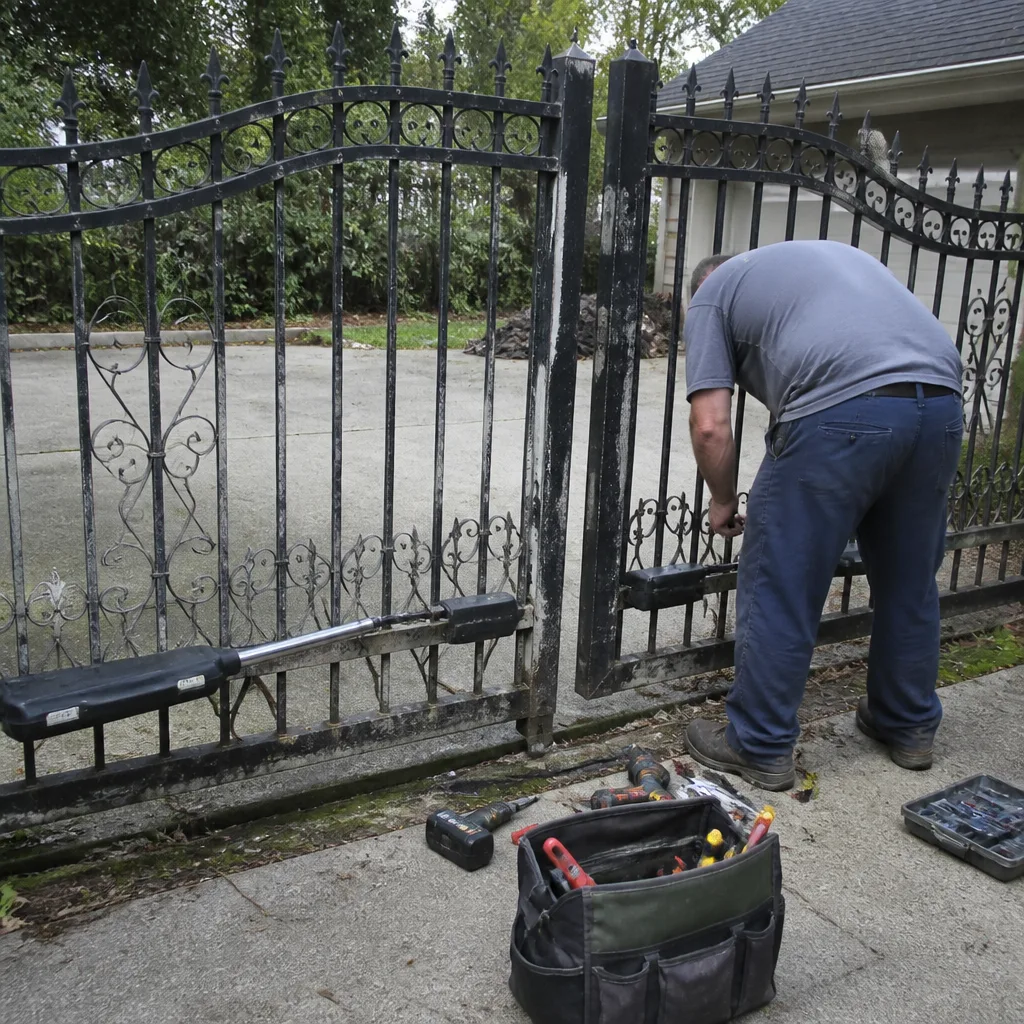 Before
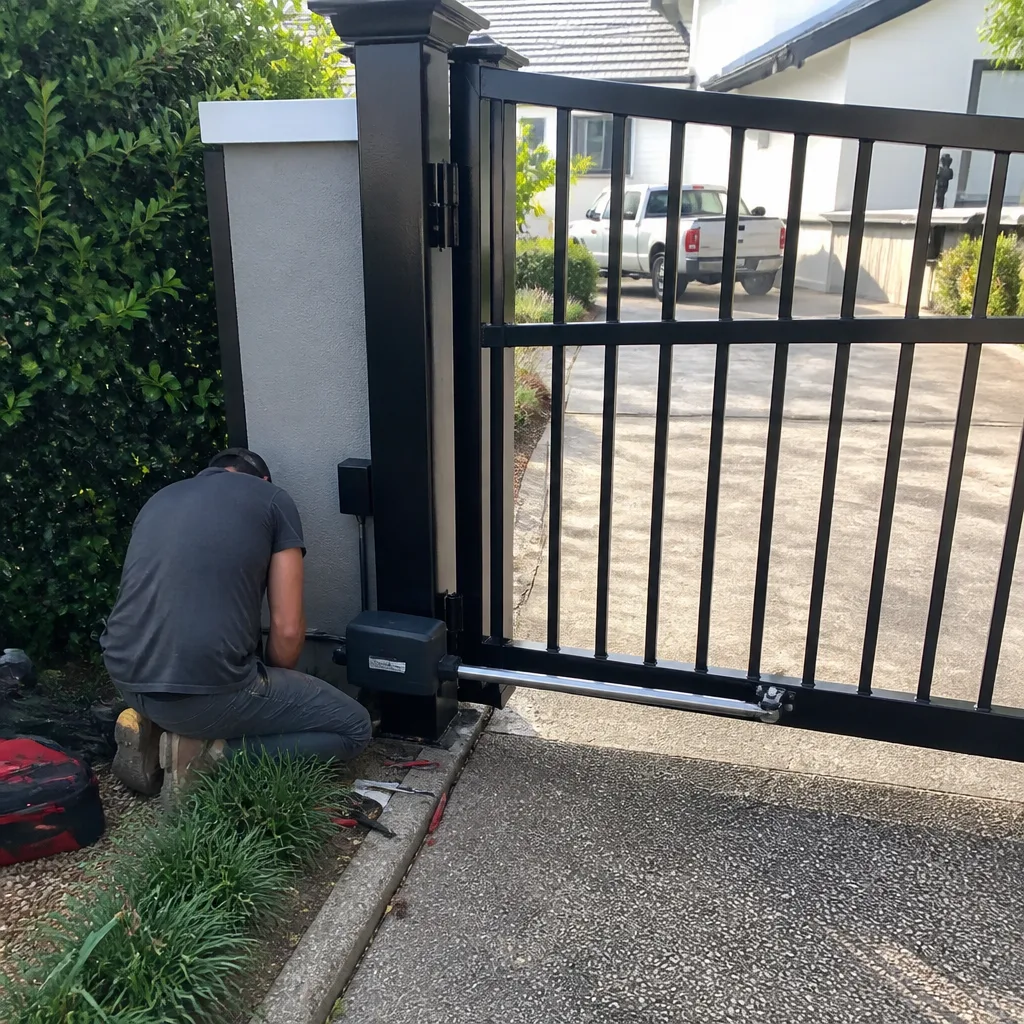 After
After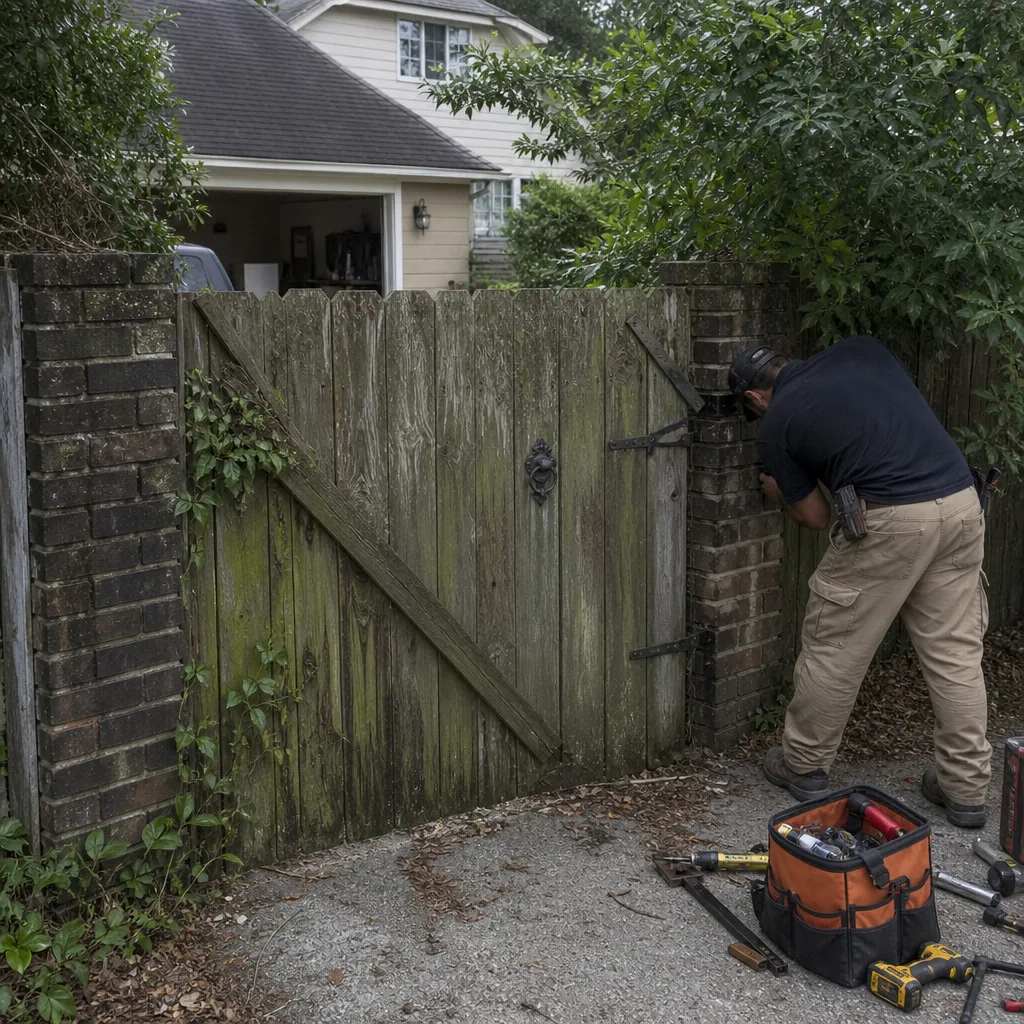 Before
 After
After Before
 After
After