
Last updated October 17, 2026
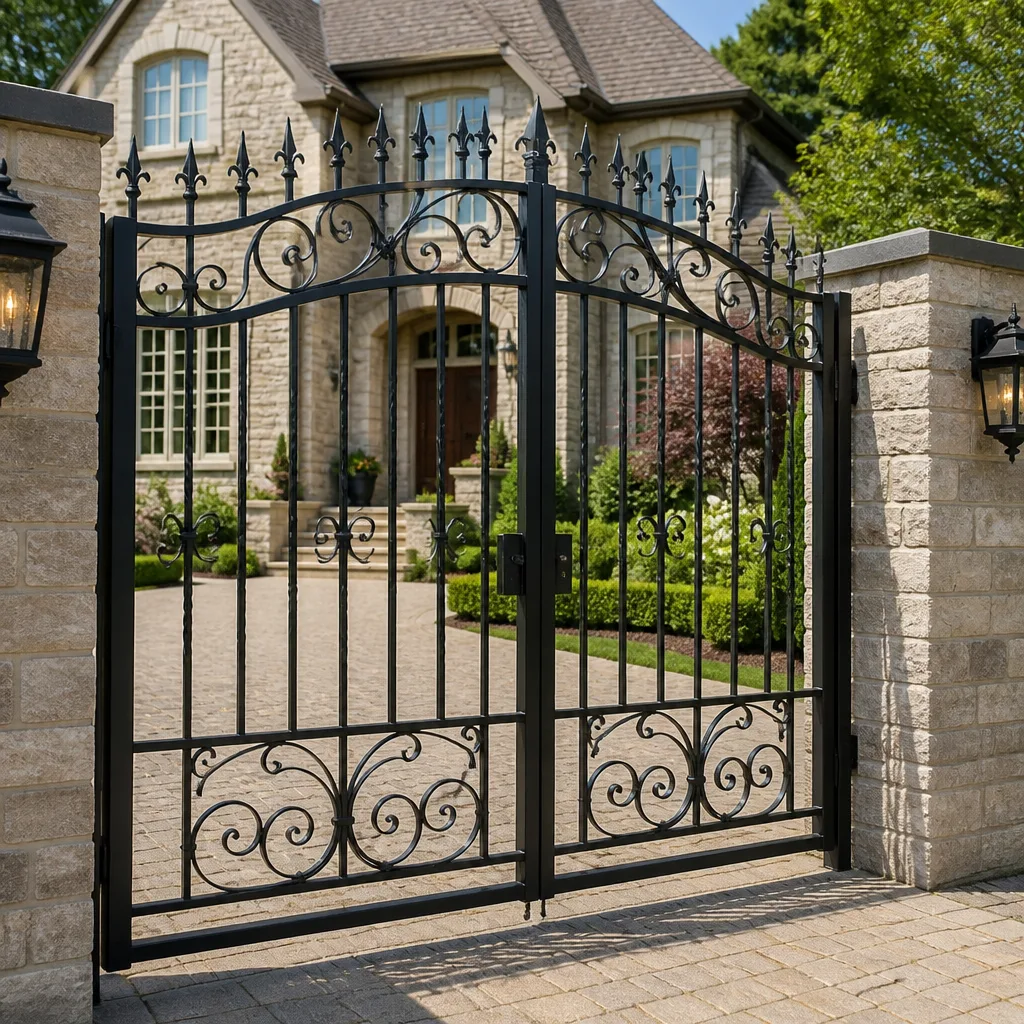 Wrought iron
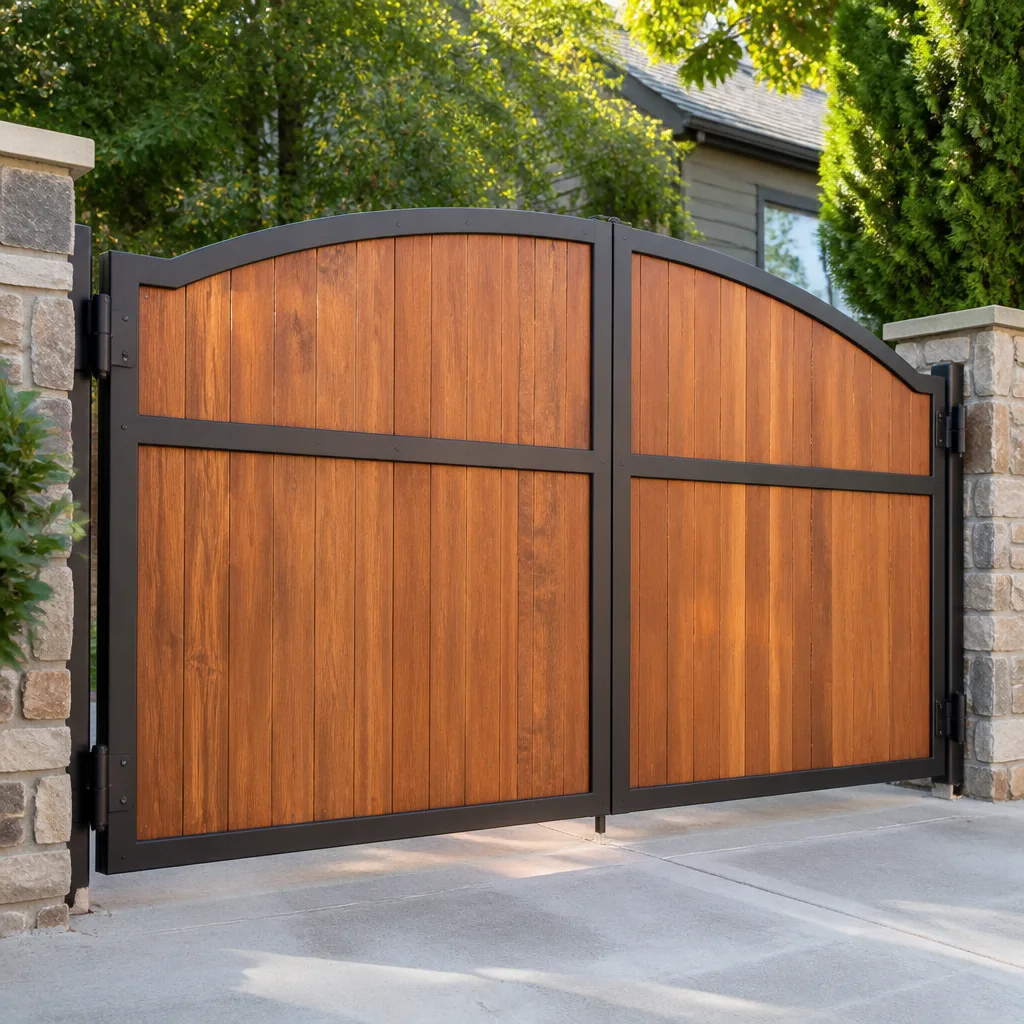 Wood & steel frame
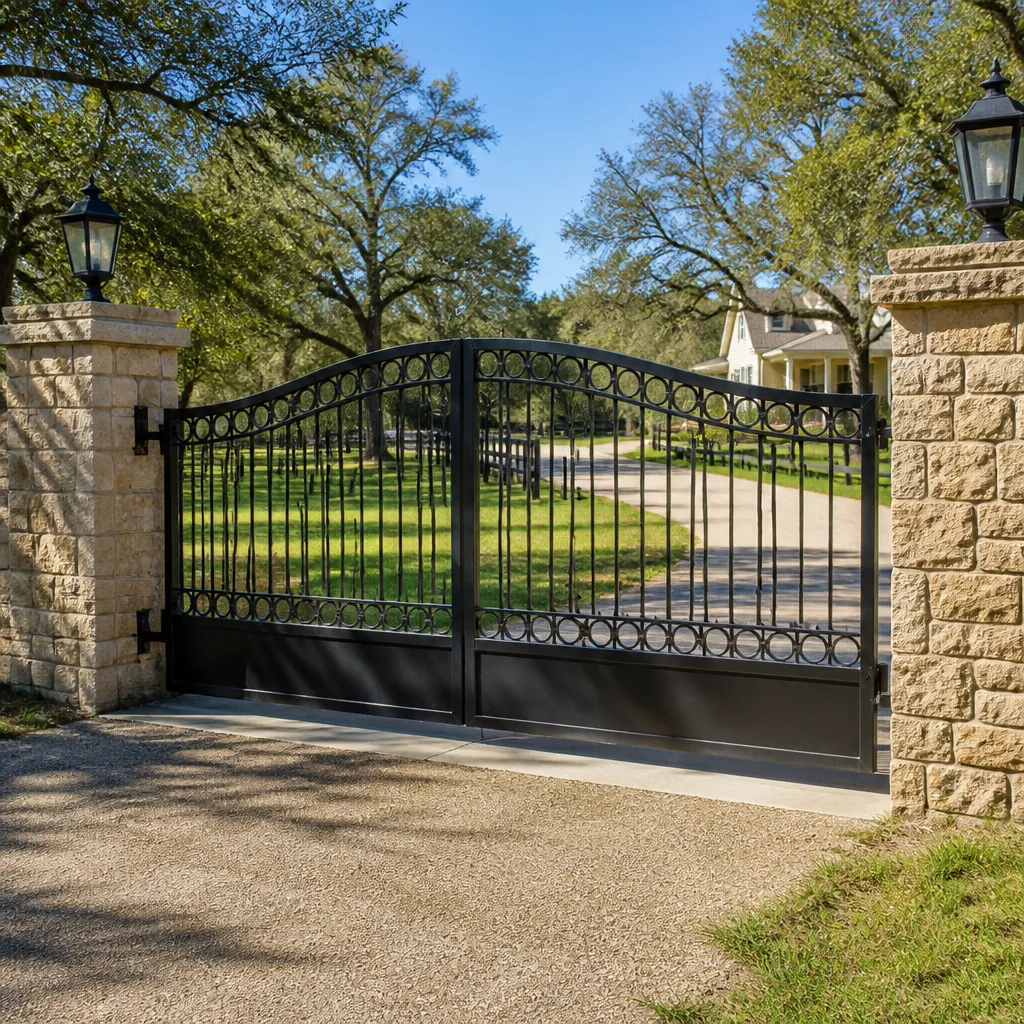 Farm & ranch
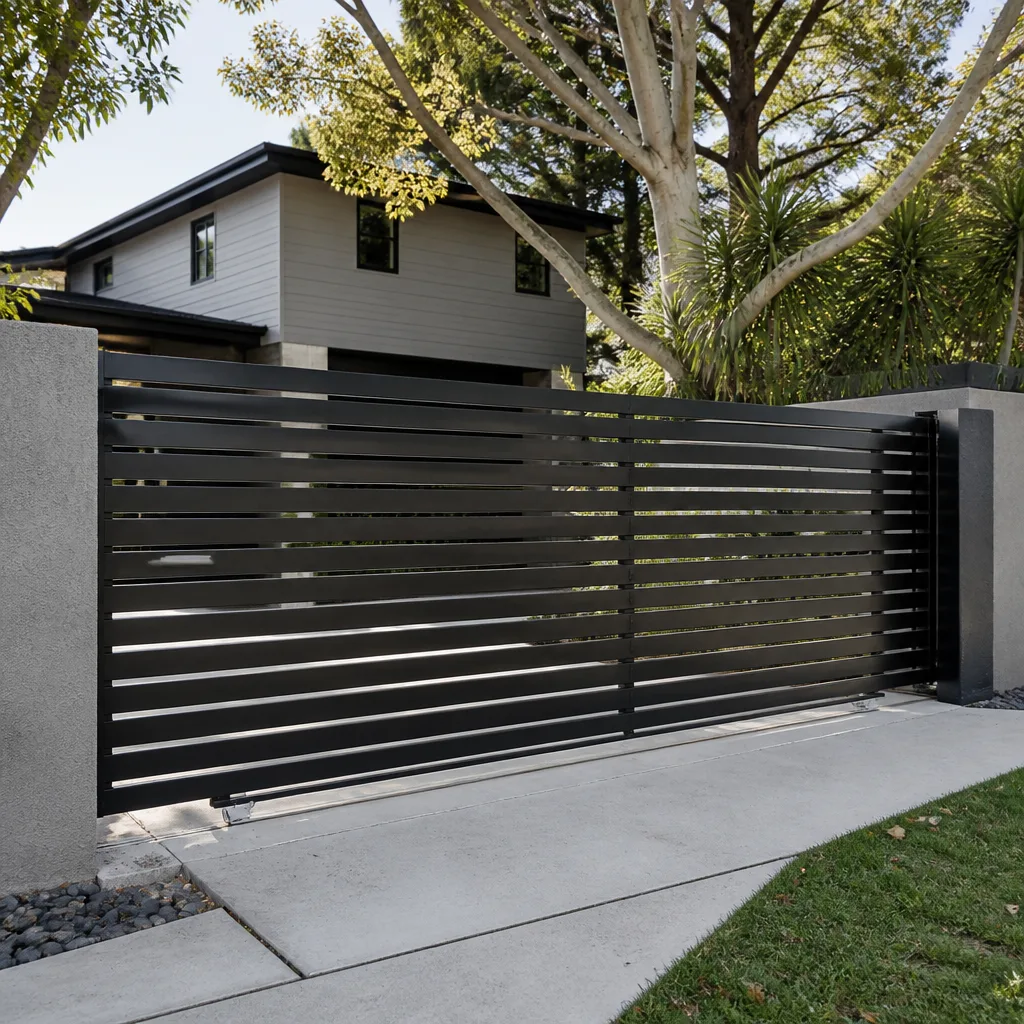 Sliding driveway gates
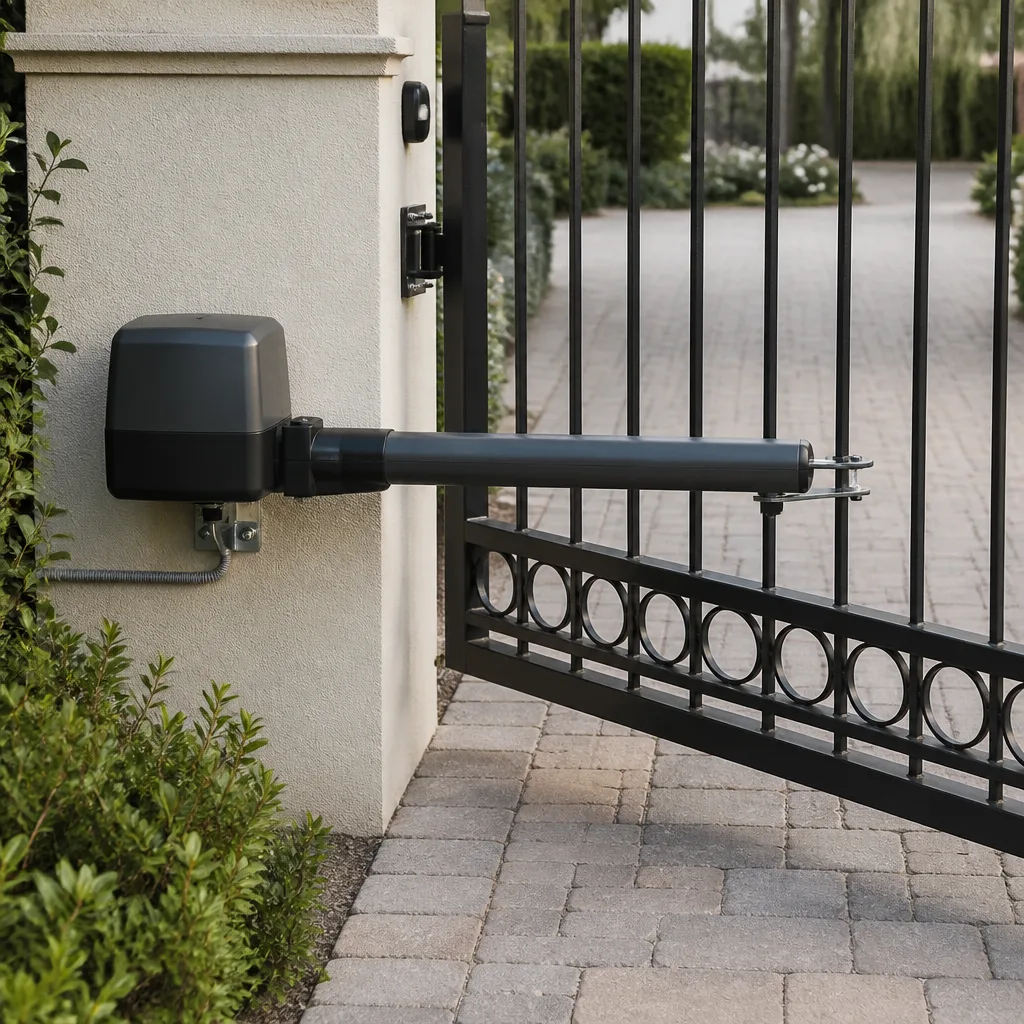 LiftMaster operators
Free on-site gate assessment - hinges, posts, and your LiftMaster or Nice gate operator checked before anything is quoted
The assessment is free and the quote is the invoice.
Get your free estimateGate Repair Permits, Codes & Inspections in FL: What You Need to Know
Here’s the counterintuitive truth about gate work in Florida: replacing a broken gate in the same opening with the same footprint usually does not require a building permit, but adding an electric operator to that exact same gate almost always does. That one distinction creates more confusion, more unwarranted risk, and more costly retroactive work than any other part of the process. This guide breaks down what the Florida Building Code actually says, where Jacksonville and Duval County add their own requirements, and what every homeowner should document before letting anyone touch a gate, especially one that opens automatically or sits near a pool. You’ll learn the real exemption thresholds in Section 105, the separate pool barrier rules under Florida Statute 515, and how to sequence city permits with HOA approvals so your project doesn’t stall halfway through.
Quick Answer
In Jacksonville, Florida, a like-for-Gate Repair services that keeps the same posts, same opening size, and same non-automated hardware generally qualifies for a permitting exemption under Florida Building Code Section 105. But any gate job that involves new post footings, a new automated operator, or a gate that forms part of a residential pool barrier will typically require a building permit through Jacksonville’s Development Services Division, with residential gate permits commonly running between $75 and $150. When in doubt, remember this rule: the gate panel itself is often exempt; the post footings, the electricity, and the pool safety function are almost never exempt.
Styles & brands we work with
Table of Contents
- Florida’s Section 105 Exemptions: What Gate Work Can Skip the Permit Desk
- What Triggers a Full Permit: Automation, New Footings, and Pool Barriers
- Jacksonville and Duval County: The Local Overlay That Changes Everything
- Florida Statute 515: Pool Barrier Gates Are a Separate Compliance Layer
- HOA Approval: The Parallel Process That Can Delay a Permitted Job
- Documenting Your Gate Job: How Homeowners Protect Themselves from Injury Claims
- A Step-by-Step Sequence for Permitting a Gate Project in Jacksonville
- Common Mistakes to Avoid
- When to Call a Professional
- Frequently Asked Questions
Florida’s Section 105 Exemptions: What Gate Work Can Skip the Permit Desk
Florida Building Code, Chapter 1, Section 105 lists work that does not require a building permit. The section most relevant to gate repair is the exemption for “minor repairs” and “ordinary maintenance,” but the language is narrower than most people assume. The code distinguishes between repairing an existing component and altering the structure that supports it.
In plain terms, here is what typically falls under the Section 105 exemption for gate work in Jacksonville:
- Replacing a broken latch, hinge, or gate wheel on an existing gate, when the hardware mounts to the same points as the original.
- Replacing like-for-like gate panels that fit within the same opening and use the same posts, as long as the total weight and wind load characteristics are not meaningfully changed.
- Lubricating, adjusting, or replacing non-powered hardware such as drop rods, cane bolts, and spring closers that are not part of a pool barrier assembly.
- Repairing an existing chain-link or aluminum gate frame where no concrete is poured and the posts remain in place.
- Replacing pickets or infill boards on a wood gate when the structural rails and posts are untouched.
We’ve walked through hundreds of gate repairs in Jacksonville, and the most common exemption we see cited is for same-footprint panel swaps on standard residential driveway gates. The key phrase in the code is “does not affect” structural elements. If you are not pouring concrete, not moving a post, not changing the electrical load on a circuit, and not altering a pool barrier, the job is likely exempt.
That said, “likely exempt” is not the same as “confirmed exempt.” The Duval County overlay adds a layer of interpretation that changes how strictly these exemptions are applied. Jacksonville’s building officials are known to scrutinize gate work near public rights-of-way and gate work on corner lots more carefully than in some neighboring counties, because visibility at intersections is a documented safety concern in several Jacksonville neighborhoods, including Riverside, Springfield, and San Marco.
One clarification that surprises homeowners: a “repair” that changes the gate’s direction of swing is generally not considered an exempt repair. Swinging a gate outward toward a street or sidewalk instead of inward toward the property changes the gate’s relationship to the public way. That change triggers plan review, even though no new material was added to the property. The same logic applies to increasing a gate’s height above six feet in many Jacksonville zoning districts.
If you want a concrete answer before spending money, call the City of Jacksonville’s Development Services Division and describe the job in one sentence: “replacing a [description] gate with a [description] gate in the same footprint, no new posts, no electric, no pool.” If they give you a verbal confirmation, write down the date, the name of the person you spoke with, and what they said. That record matters more than most people realize.
What Triggers a Full Permit: Automation, New Footings, and Pool Barriers
Three categories of gate work reliably trigger a permit requirement in Florida, and all three are common enough that we see them every month in Jacksonville.
1. New or upgraded gate automation. This is the big one. The moment an electric operator, actuator, or wireless control system is added to a gate, the job stops being a structural repair and becomes an electrical and mechanical installation. Florida Building Code treats automated gates as “power-operated gates” with their own safety requirements: photoelectric sensors or contact edges, emergency manual disconnect, and signage in some commercial settings. In residential Jacksonville, the permit triggers because the operator requires a new circuit, a disconnect means, and compliance with UL 325 provisions for entrapment protection. We’ve repeatedly seen unpermitted Ghost Controls and Mighty Mule operators flagged when homes go under contract for sale, because the home inspector notes the operator, and the buyer’s lender asks for the permit record. For a deeper look at what to watch for, see our Gate Repair Warning Signs: A Jacksonville Homeowner’s Reference Guide. The fix at that point costs far more than the original permit would have.
2. New post footings or moved posts. Any time concrete is excavated and poured for a new gate post, a building permit is required in Duval County. The footing depth for gate posts in Jacksonville’s sandy coastal soil is a real engineering question. North Florida frost depth is not the driver, which surprises people from elsewhere; the driver here is wind load during hurricane season and soil bearing capacity. A permit brings the footing depth and diameter under review, which is exactly what you want in a city that sees tropical storm force winds with regularity.
3. Gates that form part of a residential pool barrier. Florida Statute 515 and Florida Building Code Section 4541 (Residential) impose mandatory safety standards on any gate that opens into or out of a pool enclosure. A pool barrier gate must swing away from the pool, be self-closing, and be self-latching at a specific height. If a Jacksonville home has a pool, and the gate being repaired or replaced touches that barrier envelope, the work is a pool barrier compliance question first and a gate repair question second. More on this below, because it is the single most misunderstood layer of gate regulation in Florida.
There is a fourth trigger worth naming, though it is less common in residential Jacksonville: any gate that serves as a required fire access or emergency access point. In some gated communities and larger properties, gates double as fire department access gates. Altering those triggers fire code review. If you live in a gated community of any size, the gate you are replacing may be governed by a far more complex set of rules than the one at a single-family driveway.
Jacksonville and Duval County: The Local Overlay That Changes Everything
Jacksonville operates a consolidated city-county government, which means the city of Jacksonville and Duval County share one development services department. That’s a good thing for homeowners: you file once, review happens once, and the fee structure is one unified schedule rather than two overlapping ones.
Here’s what the Jacksonville Development Services Division expects when a residential gate permit is required:
- A completed permit application describing the gate work, its location on the property, and the type of gate (sliding, swing, barrier, automated).
- A site plan or property sketch showing the gate’s position relative to the house, the property lines, and any pool or water feature. Jacksonville commonly accepts a hand-drawn sketch for simple single-family residential gate permits; it does not need to be a stamped survey for standard work.
- For automated gates: the operator manufacturer and model, the power source and circuit routing, and the entrapment protection devices being installed. If you’re using a DoorKing or Elite operator, the spec sheet is usually sufficient for a residential application.
- For pool barrier gates: a detailed description showing the swing direction, the self-closing and self-latching hardware, and the latch height. The reviewer will check this against Florida Statute 515 and Chapter 4541 before anything else on the permit.
- Contractor information: if a licensed contractor is pulling the permit, their license number goes on the application. Homeowners pulling their own permit for their own primary residence can do so in Jacksonville, which is legal but puts the liability for code compliance on the homeowner directly.
On cost, the fee schedule in Jacksonville for a standard residential gate permit typically lands between $75 and $150. That range covers most single gate replacements and simple automated gate additions on residential lots. Larger projects, projects in the coastal construction zone, or projects requiring plan review by multiple disciplines can run higher, but for a standard single-family gate on an inland Jacksonville lot, the $75 to $150 figure is a reliable planning number. Every fee is quoted in writing by the city at the time of application, and we always tell our customers to expect the final number to be confirmed by the permitting office, not by memory of a past job.
Inspection sequencing in Jacksonville matters. Most gate permits require at least one inspection: the footing inspection before concrete is poured for new posts, and the final inspection after hardware and any automation are installed. We schedule these in a specific order: excavate, call the footing inspection, pour once approved, install the gate, call the final. Skipping the footing inspection is one of the most common failures we see from rushed or unpermitted work, because once concrete is poured, the county cannot verify depth or bearing. The remedy is destructive and expensive.
One more Jacksonville-specific note: homes in the Beaches communities (Atlantic Beach, Neptune Beach, Jacksonville Beach) fall under Duval County’s permitting authority for gate work, but those municipalities enforce their own zoning and sometimes their own architectural review. If your property is in one of those east-of-the-Intracoastal neighborhoods, confirm with the local building department whether their review layer applies on top of the Duval County permit. It occasionally does, particularly for front-yard and street-visible gates.
Florida Statute 515: Pool Barrier Gates Are a Separate Compliance Layer
Florida Statute 515 exists to prevent children from accessing a residential pool without supervision. It is the reason residential pool deaths in Florida have declined since the statute’s passage, and it is the reason pool barrier gates get a level of scrutiny that no other residential gate in Jacksonville receives. The statute applies regardless of whether the pool was built last year or forty years ago, and regardless of whether the current gate work is a repair or a full replacement.
Under Florida Statute 515 and the associated Florida Building Code provisions, a residential pool barrier gate must meet all of the following:
- Open outward, away from the pool. This is non-negotiable. A gate that swings toward the water can be pushed open by a child leaning on it, and the statute does not allow it, full stop.
- Be self-closing. The gate must return to a fully closed position from any open angle without human assistance. Spring closers, hydraulic closers, or gravity closers all qualify as long as they actually close the gate every time. We test this with a release from six inches, twelve inches, and full open. If the gate fails at any angle, it fails the inspection.
- Be self-latching. The latch must engage when the gate closes, without someone pressing or pulling anything. A manual latch that you have to flip shut does not meet the standard.
- Place the latch on the pool side of the gate at the required height. The release mechanism must be accessible only from the pool side and positioned high enough that a small child cannot reach it from outside the barrier. The current code standard places the release at a specific height, and a Jacksonville inspector will measure it with a tape, not eyeball it.
- Meet the same barrier height standards as the rest of the enclosure. If the pool fence is four feet high, the gate must be four feet high, with no climbable horizontal members on the outside face below the required height.
Here’s the point most Jacksonville homeowners and too many contractors miss: a pool barrier gate that fails these standards is a compliance violation even if the gate is functioning perfectly as a gate. You can replace a pool barrier gate with a beautiful new gate, and if it swings the wrong way or the latch sits too low, the job has made the property less compliant, not more. The permit inspection is the backstop that catches this. An unpermitted pool gate replacement has no backstop at all, and if a child is injured, the homeowner’s insurance carrier will ask a hard set of questions about who did the work and whether it was permitted. In our experience, homeowners in Jacksonville with pool barriers get the most value from a contractor who treats the Statute 515 layer as the primary specification for the job, not an afterthought. If you’re selecting a contractor, our How to Hire a Gate Repair Contractor in Jacksonville: A Step-by-Step Guide walks through exactly what to verify.
HOA Approval: The Parallel Process That Can Delay a Permitted Job
Jacksonville is a heavily deed-restricted city. A large share of single-family homes in neighborhoods like Nocatee, Bartram Park, Julington Creek Plantation, and countless smaller communities sit inside a homeowners association with architectural review powers. HOA approval is not a government process. It does not replace a building permit, and a building permit does not replace HOA approval. They run in parallel, and getting the sequence wrong is the most common scheduling mistake we see on Jacksonville gate projects.
Most HOAs in Jacksonville regulate gate design through their covenants and architectural review board. The things an HOA typically reviews that the city does not:
- The gate’s color, material, and finish relative to the community’s design standards.
- The gate’s height and placement relative to the street and neighboring homes.
- Whether the gate is consistent with the community’s approved gate style, where style-matched gates are common in planned communities.
- Whether a sliding gate’s track encroaches on a common area or drainage easement.
The city’s job is life safety and structural integrity. The HOA’s job is design harmony and property values. Both matter to a clean project, and neither waits for the other.
The efficient order in most Jacksonville HOA communities looks like this:
- Determine whether the work needs a permit at all using the Section 105 logic earlier in this guide.
- If HOA approval is required, submit to the architectural review board before pulling any permit. HOA review in Jacksonville commonly takes two to four weeks, sometimes longer during board recesses, while the city’s residential permit review for simple gate work is often days.
- Once HOA approval is in hand, apply for the city permit. This avoids a scenario where you pay for and receive a city permit, then the HOA denies the gate design and you have to amend the permit or start over.
- Complete the work and the inspections with HOA approval as the design baseline and the city permit as the safety baseline.
We’ve seen Jacksonville homeowners lose weeks because the gate was delivered and the crew was scheduled before the HOA even saw the application. The gate arrives, the neighbors ask questions, the board reviews on their normal schedule, and the permit sits in limbo. The fix costs nothing early and everything late. Ten minutes with the HOA’s architectural guidelines and a quick call to the management company gives you the review timeline before anyone buys a single hinge.
One caution: some HOAs attempt to regulate gate work that is actually life-safety work, like repairing a broken pool barrier latch. Florida law does not allow an HOA to prevent a homeowner from maintaining a safe pool barrier. If you are in that situation, document the safety need in writing to the board, and the legal weight tilts toward the homeowner. But that is a narrow exception. For cosmetic or elective gate changes, HOA rules govern, and the board’s approval is a prerequisite to the cleanest possible project.
Documenting Your Gate Job: How Homeowners Protect Themselves from Injury Claims
The reason documentation matters is not bureaucratic. It is liability. An automated gate is a motorized machine. A pool barrier gate is a drowning prevention device. If either one fails and someone is hurt, the homeowner will be asked questions they cannot dodge: who installed it, was it permitted, does it meet the code that was in force at the time of work. A crisp paper trail answers all three.
Here’s what every Jacksonville homeowner should collect before, during, and after any gate job, but especially any automated or pool barrier gate job:
- The permit and the inspection signoff. If the work requires a permit, the final inspection signoff is the single most important document you will ever hold. Keep it with your closing documents. Buyers and lenders will ask for it.
- The operator manual and the UL 325 compliance labeling. UL 325 is the national standard for gate and door operator entrapment protection. The manual and the label are proof that the equipment itself was manufactured to the standard. They do not prove correct installation, but they are the first half of the defense.
- A written description of the entrapment protection devices installed. For a residential automated gate in Jacksonville, that typically means photoelectric sensors, a contact edge, or both. The document should say what was installed, where it is located, and that it was tested at installation. A contractor who will not write this down is a contractor to be wary of.
- The contractor’s license and insurance information. In Florida, gate installation and repair that involves electrical or structural work should be performed by a licensed contractor. Verify the license is active on the Florida Department of Business and Professional Regulation website. The insurance certificate confirms coverage exists on the day of the work.
- The written price before work starts. Every job at Gate Repair in Jacksonville through our team starts with a written price. That document matters for liability purposes too: it disputes the claim that work was done in a rushed, undocumented way.
- Photographs of the completed work. If a claim ever arises, the photos show the condition of the gate immediately after installation. We take a photo of the final installation and a photo of the clean-up area, because both protect the homeowner in different ways.
The hardest conversation we have with customers is the one where the gate was installed before they bought the house, and now it’s failed. Unpermitted automated gates are common in Jacksonville. Some were installed by homeowners themselves, some by handymen, some by contractors who quietly skipped the permit to close the job faster. When that gate comes down on a car or a child, the permit file is empty, and the homeowner is the one holding the claim. The time to build the documentation is the day the work is done, not the day the demand letter arrives.
If you are buying a Jacksonville home with an existing automated gate or pool barrier gate, ask the seller for the permit record and any operator documentation as a condition of the sale. If the gate is unpermitted, that is a negotiation point. The safest path is to budget for bringing the gate into compliance after closing, with a fresh permit, rather than inheriting an undocumented installation.
A Step-by-Step Sequence for Permitting a Gate Project in Jacksonville
Here is the clean sequence we use and recommend for Jacksonville gate projects that require a permit, whether we are doing the work or a homeowner is navigating it themselves:
- Classify the work. Use the Section 105 logic to answer one question: is this exempt like-for-like repair, or does it involve automation, new footings, or a pool barrier? Be honest in classification. Calling the city for clarification is free and takes ten minutes.
- Check the HOA layer. If the property is in an HOA, pull the architectural review guidelines. Submit your application in parallel with or before the city permit. Confirm the review timeline in writing.
- Prepare the permit packet. Gather the property sketch, the gate specifications, the operator spec sheet if automated, and the pool barrier compliance details if applicable. Jacksonville accepts this paperwork in person or through the city’s online permit portal for many residential applications.
- Apply and pay the fee. Budget $75 to $150 for a standard residential gate permit in Jacksonville. Keep the receipt and the permit number.
- Schedule the footing inspection first. For any new posts, call the footing inspection before concrete is poured. Do not pour until the inspector signs off. This is the step that cannot be undone cheaply if skipped.
- Complete the installation. Install the gate, the hardware, and any automation per the submitted plans. For automated gates, test the entrapment protection from every angle. For pool gates, test the self-closing and self-latching function from full open, half open, and almost closed.
- Schedule the final inspection. The inspector verifies the work matches the permit. Pass the inspection and keep the signoff document with your home records.
- File everything. Permit, inspection signoff, operator manual, written price, contractor license, photos. One folder, kept where you keep your homeowner’s insurance policy.
This sequence works for a simple single-gate residential project in most of Jacksonville. Large properties, commercial gate systems, and gates that serve multiple residences add layers that this sequence does not cover. But for the homeowner with a driveway gate or a pool barrier gate, this is the complete path from question to closeout.
Common Mistakes to Avoid
- Assuming a gate replacement is always permit-exempt. Like-for-like panel swaps usually are, but the moment a post moves or a footing is poured, the exemption evaporates in Duval County.
- Adding automation later without a permit. We see this constantly in Jacksonville: a homeowner adds a Ghost Controls or Mighty Mule operator to an existing gate as a weekend project. The operator works fine for years, then the house goes under contract and the lender asks for the permit that was never pulled. The retrofit permit is more expensive than the original would have been.
- Treating a pool gate like a regular gate. A pool barrier gate in Jacksonville is governed by Florida Statute 515 first and the general gate code second. Replacing it with a beautiful gate that swings inward or latches low creates a compliance violation, not a fix.
- Pouring footings before the inspection. In Jacksonville’s sandy soil, footing depth is a wind-load and bearing-capacity question. Once the concrete is poured, the county cannot verify the depth, and the remedy involves removal. This is the most expensive avoidable mistake on the list.
- Skipping the HOA review because it “isn’t a permit.” The HOA process is not governmental, but it can stall a project just as thoroughly. In Jacksonville’s deed-restricted communities, a city permit and an HOA denial are both live threats to the schedule.
- Failing to document an automated gate installation. The permit, the UL 325 labeling, the entrapment protection description, and the contractor’s license are the homeowner’s defense if a gate ever causes an injury. Unpermitted automated gates are not rare; documented ones are.
- Trusting a contractor who says the permit “isn’t needed” without giving you a code section. A contractor who can cite Section 105 is a contractor who knows Florida code. A contractor who waves the question away is hoping you won’t ask again. Ask for the exemption in writing, by code number.
When to Call a Professional
Some gate work genuinely is DIY-appropriate in Florida: a latch replacement on a standard driveway gate, a panel swap that keeps every structural element untouched, a hinge that bolts to the original points. The line moves the moment electricity, footings, or pool safety enters the picture. Automated gates carry entrapment risks that demand UL 325 compliance and precise testing. Pool barrier gates carry drowning risks that demand Statute 515 compliance and fixture-level attention to swing direction, latch height, and self-closing function. New footings carry structural risks that demand engineered depth and an inspection before concrete is poured. If your gate project in Jacksonville includes any of those three elements, that is the moment to bring in someone who does this work every day. Gate Installation in Jacksonville and Electric Gate Repair in Jacksonville through our team include permit application support, inspection scheduling, and the documentation package we described above, all with a written price before work starts at (904) 250-0188.
Frequently Asked Questions
Not if the replacement is like-for-like: same posts, same opening size, same swing direction, and no automation. If you’re adding an operator, moving posts, or the gate is part of a pool barrier, you do need a permit through Jacksonville’s Development Services Division. Call (904) 250-0188 for a free permit assessment on your specific gate.
A standard residential gate permit in Duval County typically runs between $75 and $150, covering most single gate replacements and simple automated gate additions on residential lots. The final figure is set by the city at application time, so get a written confirmation before proceeding.
Florida Statute 515 is the state’s residential pool barrier law. Any gate that forms part of a pool enclosure must swing away from the pool, be self-closing, and be self-latching at the required height. The statute applies to repairs and replacements alike, regardless of whether other gate work would normally be permit-exempt.
No, not in Jacksonville. Adding an operator means adding a circuit, a disconnect means, and entrapment protection under UL 325, all of which trigger a permit. We see unpermitted Ghost Controls and Mighty Mule installations flagged during home sales in Jacksonville routinely, and the retroactive permit is more expensive than the original would have been.
In most Jacksonville HOA communities, you should submit to the architectural review board before pulling the city permit. HOA review commonly takes two to four weeks, while a simple residential city permit is often processed in days. Sequencing the HOA first avoids paying for a permit that later gets redesigned.
Keep the permit and final inspection signoff, the operator manual with UL 325 labeling, a written description of the entrapment protection devices installed, the contractor’s license and insurance information, and the written price you approved before work began. This is your defense if the gate ever fails in a way that causes injury. For help building that documentation on a new Latch and Post Gate Repair Jacksonville home gate project, call (904) 250-0188.
The Bottom Line
Florida gate permitting is not complicated once the categories are clear: like-for-like repair is usually exempt under Florida Building Code Section 105; automation, new footings, and pool barrier work are almost never exempt. Jacksonville and Duval County run a unified permitting system with residential gate fees commonly between $75 and $150, and the HOA layer runs parallel, not instead of, the city process. The homeowner who documents everything, sequences the approvals correctly, and thinks about pool safety as its own compliance layer is the homeowner who never has an expensive surprise. Most importantly, the time to build that documentation is the day the gate goes in, not the day a question is asked. For more guides & resources on Jacksonville gate projects, explore our blog. If you want a clear answer on your specific Jacksonville gate, call (904) 250-0188 for a free estimate and a written price before any work begins.
Written by Cody Beckman, Owner at Latch and Post Gate Repair Jacksonville, serving Jacksonville since 2009.
See the difference
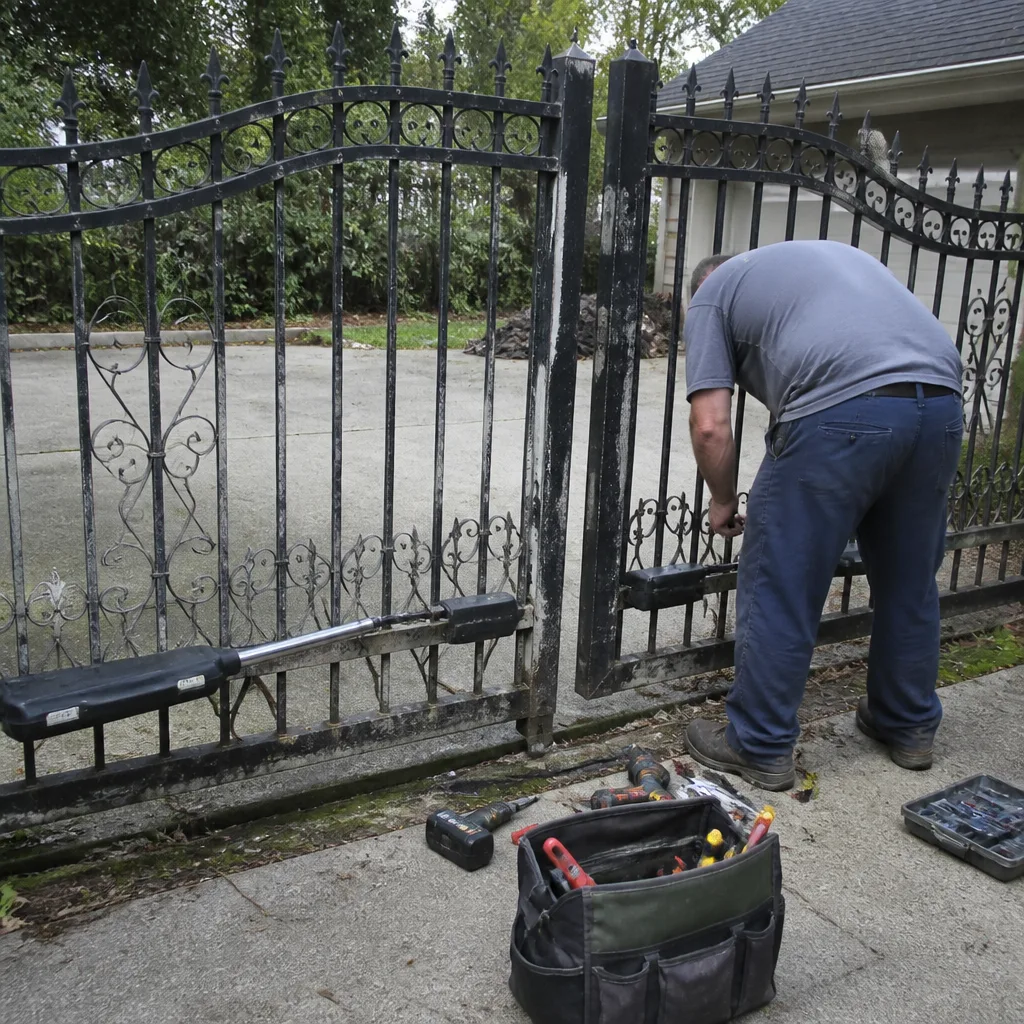 Before
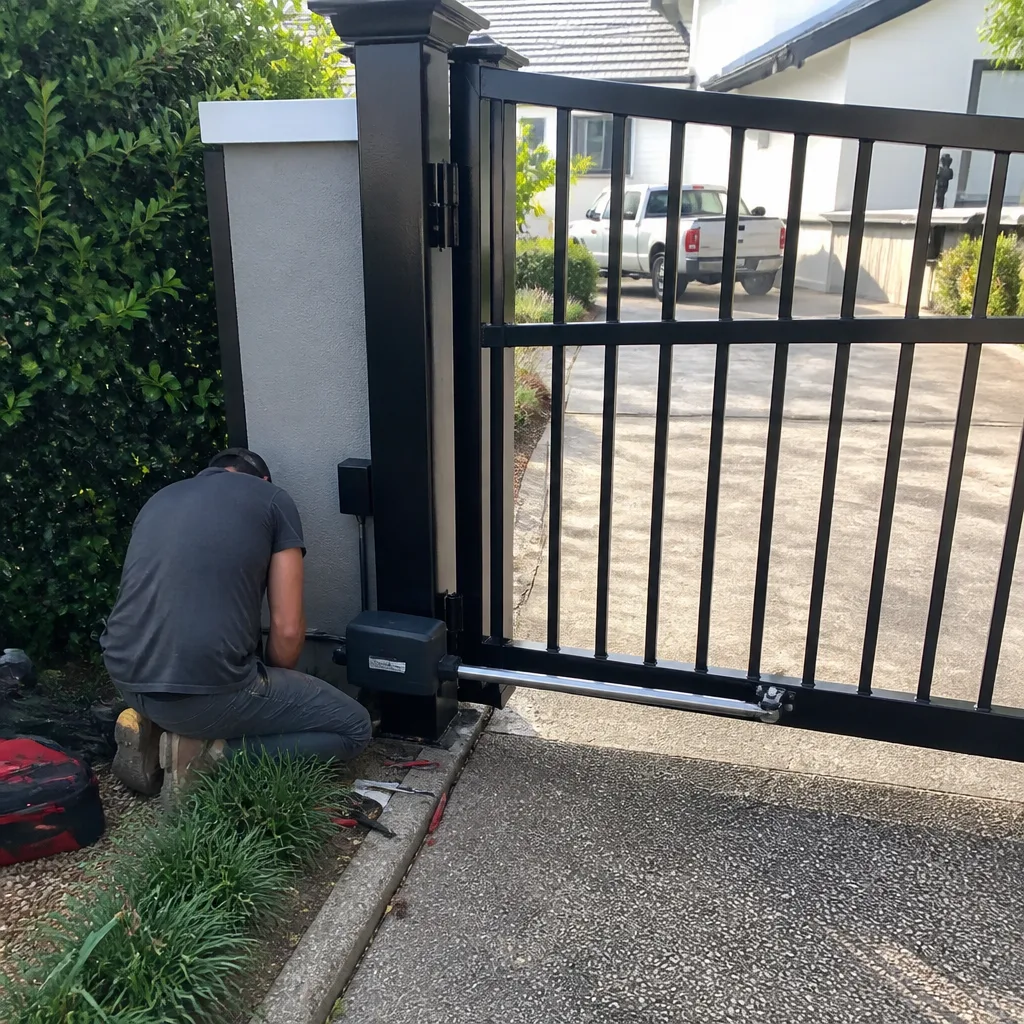 After
After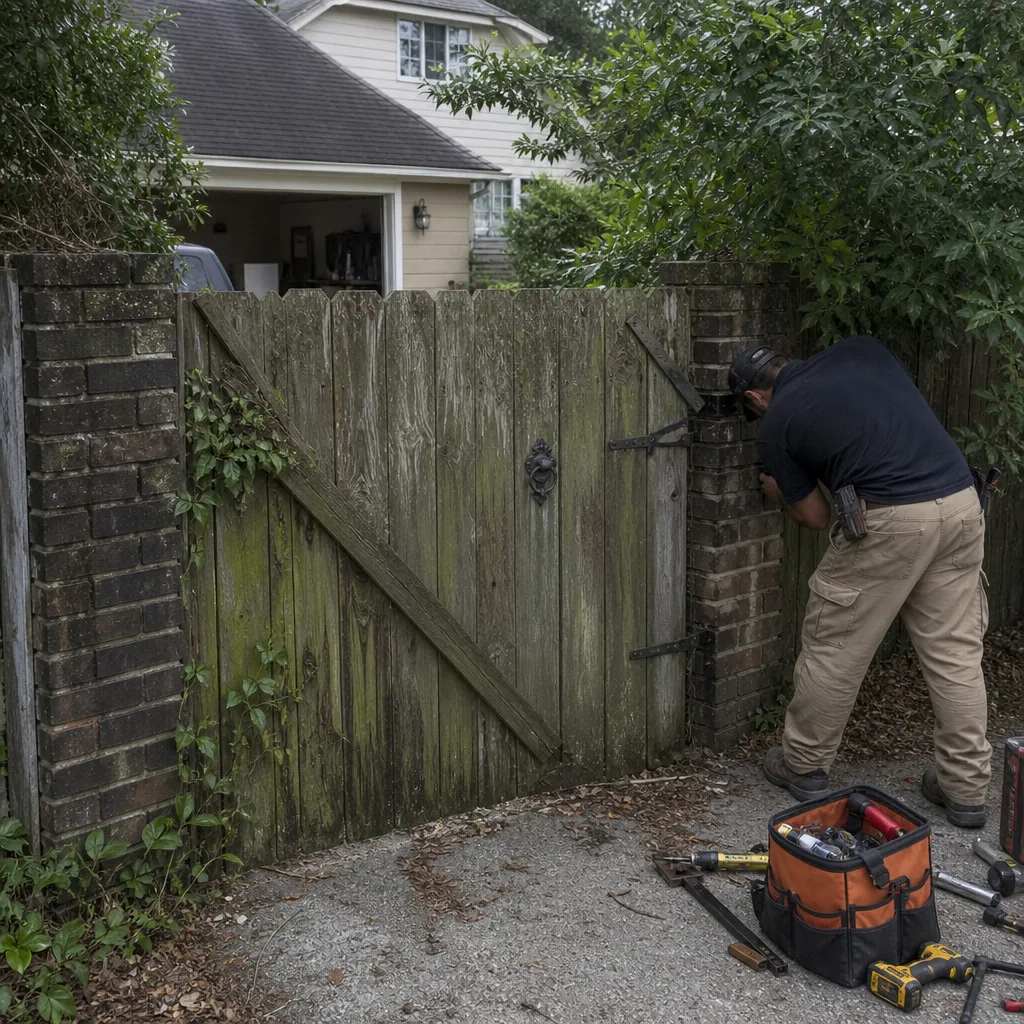 Before
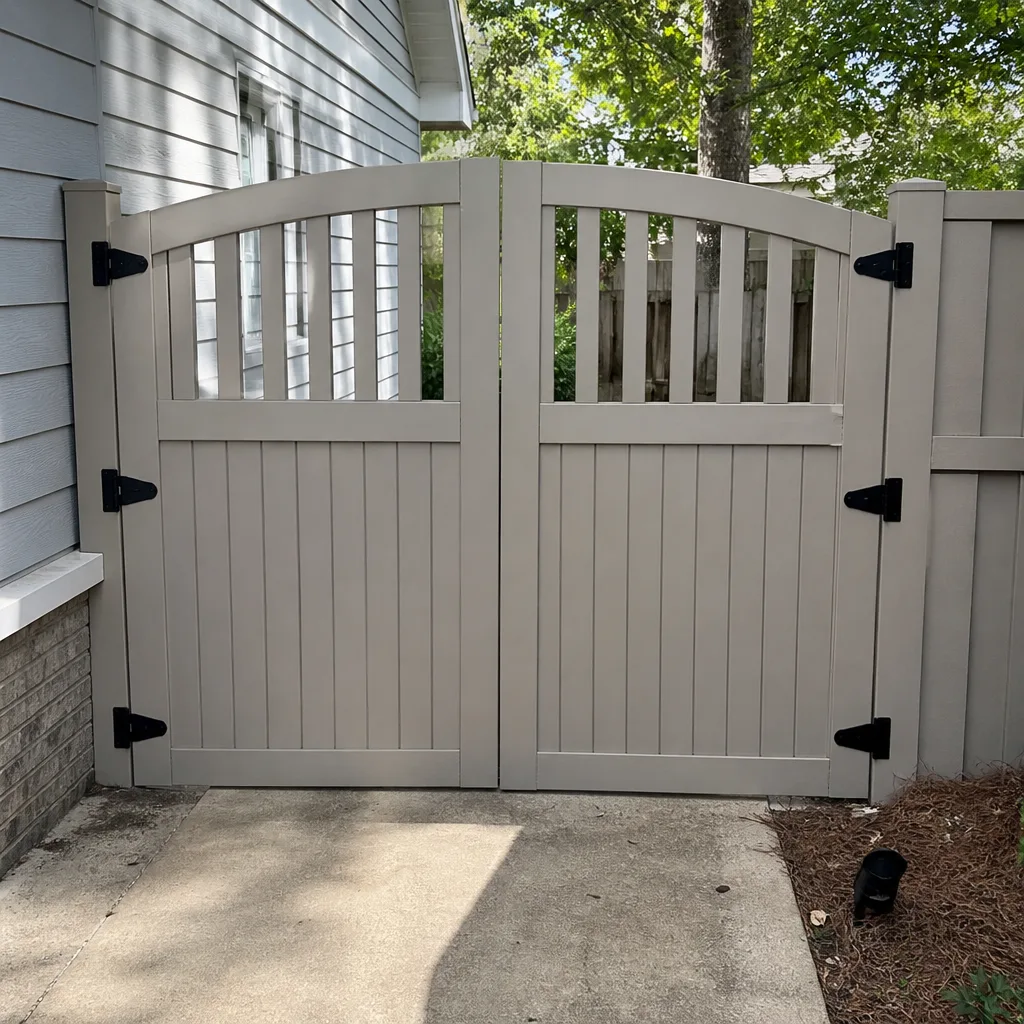 After
After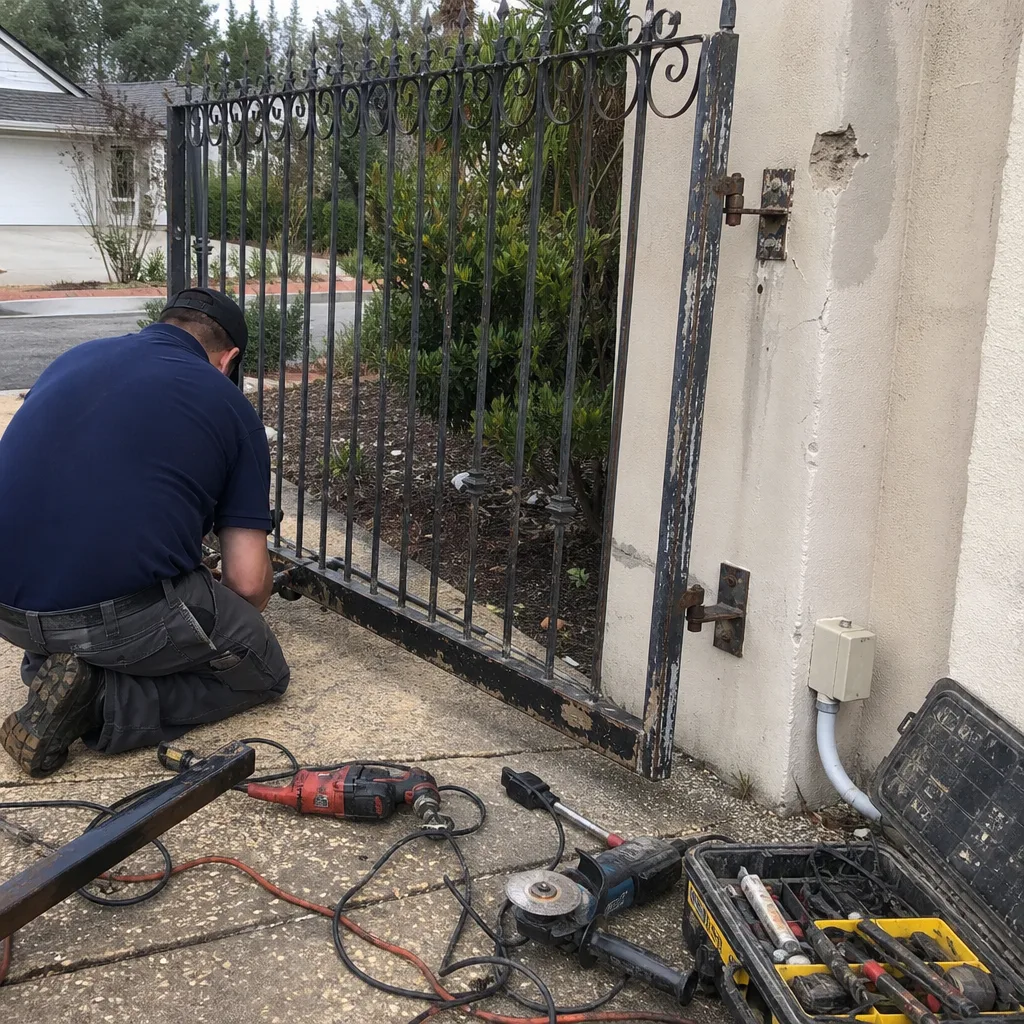 Before
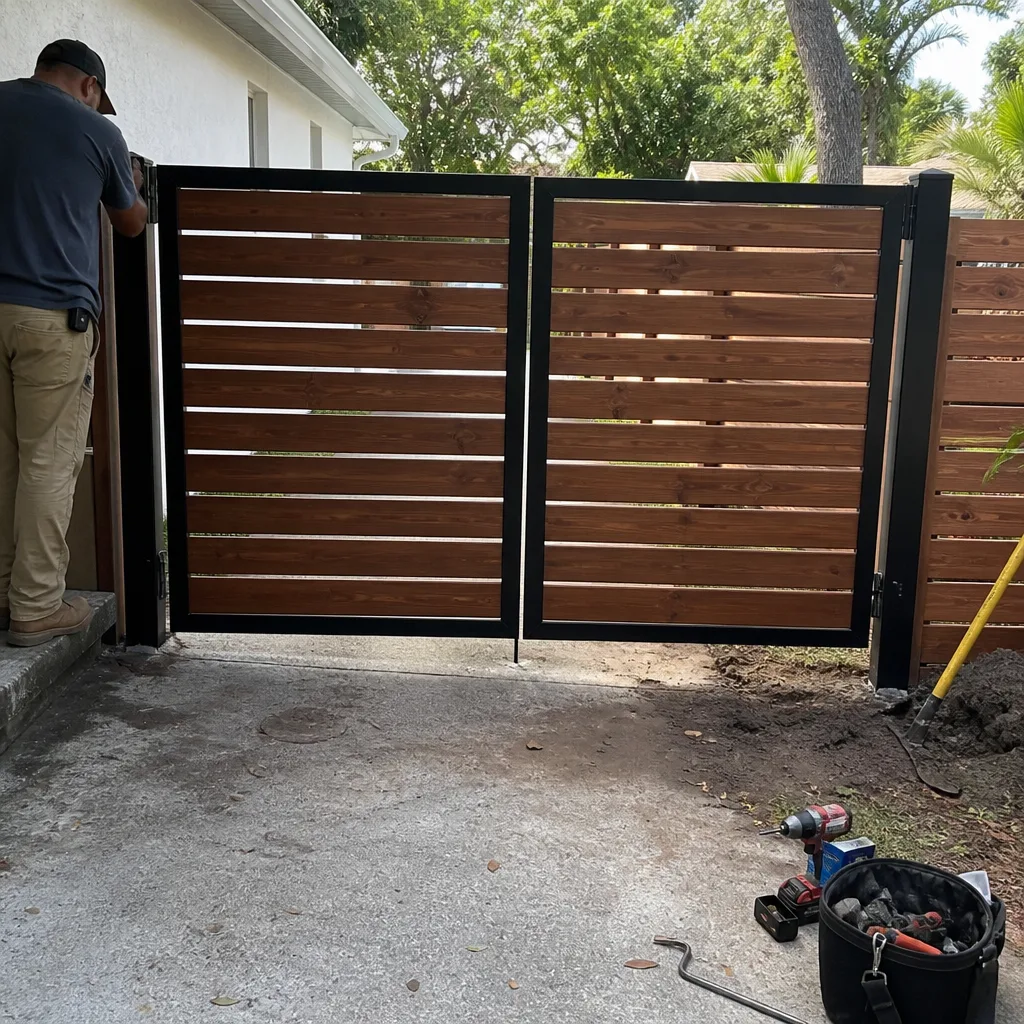 After
After